For many investors and property owners, real estate represents the most significant asset in their financial portfolio. However, a common strategic error is the belief that property value only trends upward over time—a misconception that can severely compromise liquidity and long-term profitability. In dynamic and highly competitive markets, such as Austin and its surrounding metropolitan areas, depreciation often occurs silently, driven by internal management failures or external shifts in the socioeconomic landscape. Ignoring these warning signs does not merely lower the market price; it erodes the asset’s ability to generate sustainable passive income.
Proactive management is the only effective tool for mitigating the risk of value loss. An owner who fails to conduct constant audits of the physical and financial state of their property is essentially allowing their capital to evaporate. In this context, identifying the symptoms of decline is imperative to implement corrective measures before the damage becomes irreversible. Below are the five critical signals that indicate a property is losing value and how professional intervention serves as the determining factor in reversing this trend.
1. The Cycle of Deferred Maintenance and Structural Decay
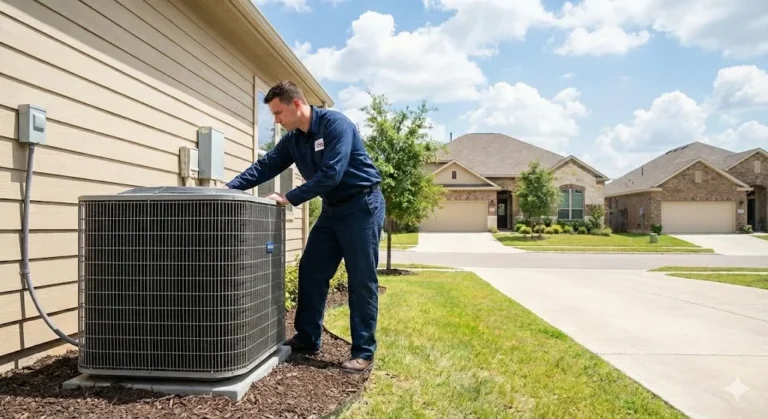
The most evident warning sign, though often underestimated due to its slow progression, is deferred maintenance. The physical deterioration of a property typically begins in systems hidden from immediate view: obsolete electrical installations, HVAC systems that have reached the end of their life cycles, or incipient foundation issues. In the specific climate of Central Texas, where thermal variations and soil conditions can compromise structural integrity, postponing a minor repair often results in a catastrophic failure that immediately depreciates the appraisal value.
From a marketing and valuation perspective, a potential buyer or tenant perceives aesthetic neglect as a proxy for structural negligence. If the exterior paint is degraded or the landscaping lacks care, the perception of value drops drastically, even if the interior is in acceptable condition. The cost of recovering a property that has fallen into a cycle of deferred maintenance is exponentially higher than the cost of rigorous preventive maintenance. The absence of a periodic technical inspection is, therefore, the first signal that the asset is at risk of obsolescence.
2. Desynchronization with the Local Market and Urban Environment
The value of a property does not exist in a vacuum; it is intrinsically linked to its surroundings. A critical warning sign occurs when the property begins to desynchronize with the trends of its neighborhood or commercial zone. In the Austin suburbs, it is common to observe areas that were once highly desirable suffer a loss of value if local services decline, commercial vacancy rates in the vicinity increase, or the demographic profile of the area shifts without the property adapting to new requirements.
Market irrelevance is often manifested in the amount of time a property remains listed. If adjacent properties are leased or sold faster and at higher price points, there is a failure in your asset’s positioning. This phenomenon is usually linked to a lack of amenity updates or an inability to capitalize on the current location’s competitive advantages. Ignoring changes in zoning or the development of new infrastructure nearby can leave an owner with an asset “trapped” in a business model that is no longer profitable for that specific area.
3. Functional and Technological Obsolescence
In an era defined by energy efficiency and automation, a property that has not integrated technological upgrades is a property losing value against modern inventory. Functional obsolescence refers to property features that no longer meet current living or working standards. This ranges from inefficient space distributions to the absence of smart home management systems, high-speed connectivity, or low-consumption certified appliances.
Investors in Austin and its suburbs are increasingly sophisticated, prioritizing assets that minimize monthly operating costs. A property with single-pane windows, poor insulation, or inefficient irrigation systems represents a financial burden for the occupant, which translates directly into a lower market price offer. The warning sign here is a steady increase in utility costs and difficulty attracting a high-quality tenant profile that values sustainability and technological modernity.
4. High Tenant Turnover and Cash Flow Erosion
From a property management analysis perspective, a high turnover rate is an unequivocal symptom of a failure in asset administration. Value loss is not always physical; it can also be operational. Every time a tenant vacates a property, the owner incurs marketing costs, transition repairs, and, most severely, the opportunity cost of vacancy time.
If your property experiences difficulties retaining stable tenants, it is likely that management is deficient or the quality-to-price ratio is unbalanced. Poor administration creates a stigma around the property, especially in communities where digital reviews and word-of-mouth influence rental decisions. A history of problematic tenants or frequent evictions not only reduces current income but negatively impacts the property’s valuation during a potential sale, as buyers seek healthy financial statements and predictable cash flows.
5. Deficient Pricing Strategy and Static Marketing
The fifth warning sign is technical: a property whose price remains static while the market fluctuates, or one that lacks a professional digital marketing strategy, is destined for relative depreciation. The Texas real estate market is highly volatile and requires constant adjustment based on real-time data. A common error is setting a price based on sentiment or historical values that no longer correspond to economic reality, such as changes in interest rates or the supply of new housing.
Static marketing, based on low-quality photographs or generic descriptions that fail to highlight the property’s unique value, condemns the asset to invisibility. In a saturated environment, if the property is not correctly positioned across the right digital channels, the perception of value is diluted. The lack of analytical data regarding who is viewing the property and why closures are not being finalized is the definitive signal that expert intervention is required.
The Strategic Solution: Tidy Flamingo in Austin and Suburbs
To mitigate these risks, professional administration is not a luxury, but an operational necessity. Tidy Flamingo has established itself as a leading provider of property management in Austin and its suburbs, offering a comprehensive approach that protects and increases your investment’s value. The key to our success lies in the combination of high-level preventive maintenance, data-driven marketing strategies, and tenant relationship management that ensures cash flow stability.
By entrusting your asset to tidyflamingo.com, you gain access to an infrastructure designed to detect these warning signs before they impact your equity. We specialize in the local market, from downtown Austin to growing suburban communities, ensuring that every property under our management remains competitive, technologically updated, and financially optimized. Our goal is to transform your property from an at-risk asset into a solid and growing source of income.
Frequently Asked Questions (FAQ)
1. How often should a professional inspection be performed to avoid depreciation? It is recommended to perform deep technical inspections at least twice a year. This allows for the identification of preventive maintenance issues, such as the condition of the roof and HVAC systems, before they turn into costly repairs that affect the property’s value.
2. How does property management influence the resale value of a building? Professional management maintains detailed maintenance records, improves tenant retention, and ensures the property meets all modern standards. A potential buyer will always pay a premium for a property that demonstrates an impeccable care history and consistent profitability.
3. Which Austin suburbs currently have the highest appreciation potential? Areas such as Round Rock, Cedar Park, and Pflugerville continue to show robust growth due to technological expansion in the region. However, appreciation strictly depends on management that keeps the property aligned with the expectations of the professionals moving to these zones.
4. Is it profitable to invest in technological upgrades for a rental property? Absolutely. Improvements in energy efficiency (smart thermostats, LED lighting, high-efficiency windows) justify higher rents and reduce vacancy times, as modern tenants prioritize operational cost savings and convenience.
5. What differentiates Tidy Flamingo from other management companies in Texas? Our difference lies in a proactive approach and local specialization. We do not just react to problems; we implement dynamic marketing strategies and rigorous maintenance plans that ensure your property not only maintains its value but stands out in the competitive Austin market.
Call to Action (CTA)
Do not allow your investment to lose ground in the market. The value of your property depends on the decisions you make today. Protect your equity with experts in the Austin area.
Visit tidyflamingo.com today to request a professional audit of your property. Let us show you how our specialized management can maximize your profitability and secure the future of your real estate assets. Your property deserves the Tidy Flamingo standard of excellence.